
Customer Complaint Management in Manufacturing: How Slow Response Times Damage Quality Reputation
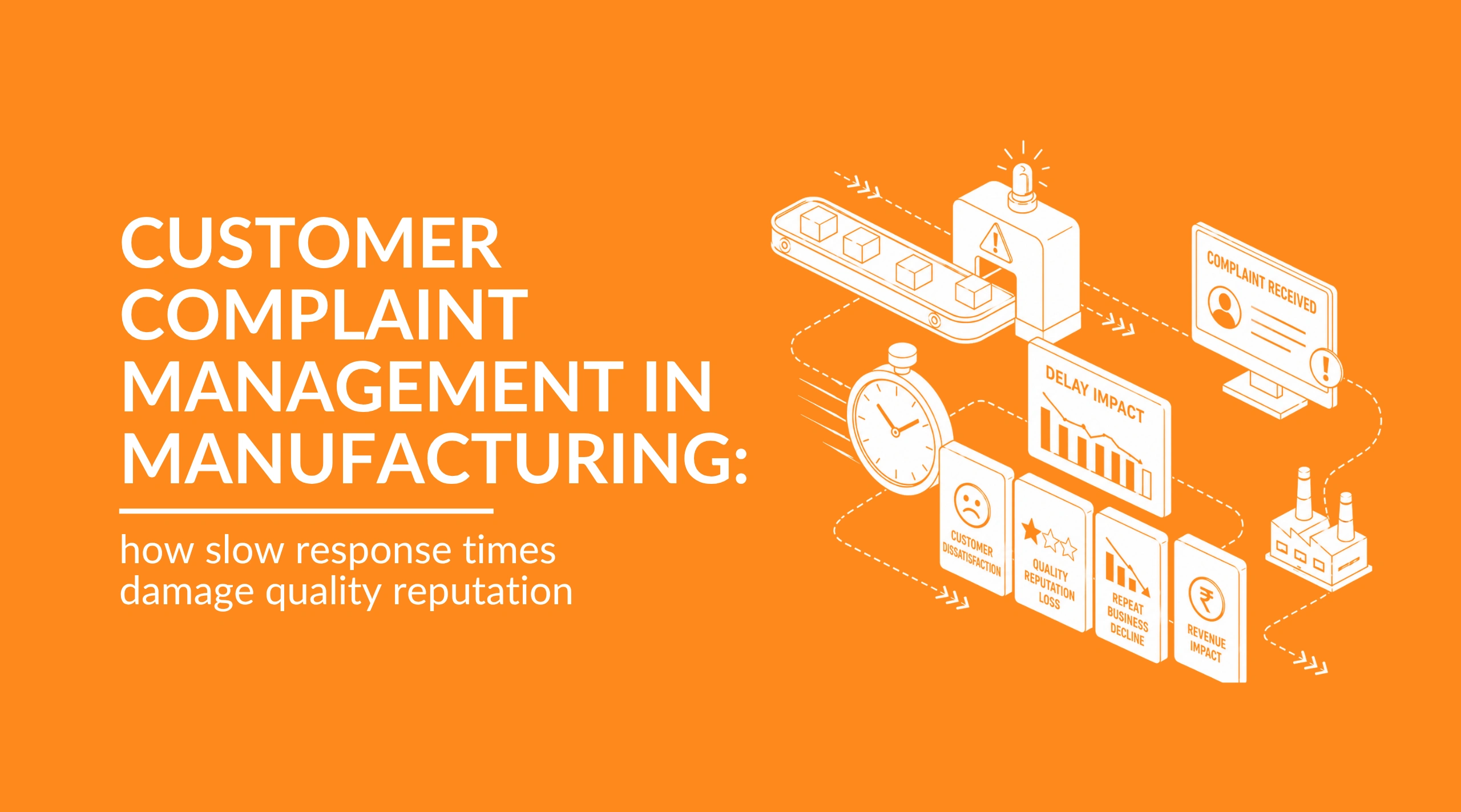
A product defect costs you once. A slow response to it costs you forever.
In manufacturing, complaints are inevitable but how quickly you act on them defines your reputation. Yet 56% of people around the world have stopped doing business with a company because of poor customer service experience.
For manufacturers, this isn’t just a customer service problem it’s a quality risk. Every unresolved complaint is a gap in your process waiting to repeat itself. The good news? With the right system in place, complaints become your most powerful tool for continuous improvement.
In this blog, we’ll explore how slow complaint response times affect manufacturing quality, the hidden costs of delayed resolutions, best practices for customer complaint management, and how complaint management software helps manufacturers protect both their quality reputation and customer trust.
What Is Customer Complaint Management?
Customer complaint management is the process of receiving, recording, investigating, resolving and tracking customer complaints in a structured manner. It helps manufacturers identify the root cause of quality issues, implement corrective actions, and prevent similar complaints from recurring, ultimately improving customer satisfaction and product quality.
An effective customer complaint management system ensures every complaint follows a standardized workflow from initial reporting to final closure while maintaining accountability, documentation, and complete traceability throughout the process.
Why Customer Complaint Management Matters in Manufacturing
Complaint handling is important in manufacturing because it helps organizations identify quality issues early, resolve customer concerns quickly, prevent recurring defects, and improve customer satisfaction. A structured complaint management process also supports compliance and drives continuous improvement.
Common manufacturing complaints include:
- Product defects or quality failures
- Incorrect product specifications
- Damaged goods during transportation
- Packaging defects
- Quantity shortages
- Delivery delays
- Documentation errors
- Installation or performance issues
Ignoring or delaying these complaints allows underlying quality problems to continue affecting future production. As a result, organizations may face recurring defects, increased warranty costs, customer dissatisfaction, and greater compliance risks.
The Real Cost of Slow Customer Complaint Response Times
Many organizations measure complaint management by the total number of complaints received. However, response time is often a much more meaningful performance indicator.
A customer who receives a timely acknowledgement and clear communication is generally more willing to cooperate during the investigation process. Conversely, delayed responses create uncertainty and frustration, even if the final resolution is satisfactory.
Let’s examine the hidden costs of slow complaint resolution.
1. Loss of Customer Trust and Loyalty
Customers don’t expect perfection from manufacturers, but they do expect accountability.
When complaints remain unanswered for several days, customers begin questioning whether their concerns are being taken seriously. This uncertainty damages confidence in the supplier’s ability to consistently deliver quality products.
Over time, slow responses may lead customers to:
- Switch to competing suppliers
- Reduce future order volumes
- Delay contract renewals
- Increase supplier audits
- Demand stricter quality controls
Once customer trust is lost, rebuilding it often requires far greater effort than responding promptly in the first place.
2. Damage to Brand and Quality Reputation
Quality reputation isn’t built solely through product performance. It is equally influenced by how organizations respond when problems occur.
Manufacturers operating in industries such as automotive, aerospace, pharmaceuticals, medical devices, food processing and industrial engineering are expected to demonstrate rapid issue resolution and strong quality governance.
Repeated delays in complaint handling can create perceptions such as:
- Poor quality management
- Weak customer support
- Inefficient internal communication
- Lack of accountability
- Inadequate process control
Even organizations producing high-quality products can suffer reputational damage if complaint management processes fail to meet customer expectations.
3. Increased Risk of Customer Escalations
When customers receive no updates, they rarely remain patient indefinitely. Complaints may escalate from frontline support teams to senior management, procurement departments, certification bodies, regulatory authorities or even public platforms. Escalated complaints consume significantly more organizational resources than resolving issues early.
Instead of focusing on root cause analysis and continuous improvement, quality teams become occupied with managing customer dissatisfaction and crisis communication. A proactive complaint management workflow minimizes unnecessary escalations by ensuring every complaint receives timely attention, clear ownership, and transparent communication.
4. Higher Cost of Poor Quality (COPQ)
Delayed complaint resolution directly contributes to the Cost of Poor Quality (COPQ).
If quality issues aren’t investigated immediately, defective products may continue moving through production or distribution before corrective actions are implemented.
This often results in:
- Product recalls
- Increased rework
- Warranty claims
- Product replacements
- Additional inspections
- Customer compensation
- Production interruptions
Resolving one complaint promptly is almost always less expensive than addressing hundreds of similar complaints caused by the same unresolved issue.
Common Reasons Manufacturing Companies Struggle with Complaint Management
Most manufacturing organizations understand the importance of resolving customer complaints quickly. However, many still face delays because their complaint handling process relies on disconnected systems, manual coordination or unclear responsibilities.
These operational gaps slow down investigations, increase the risk of recurring quality issues and make it difficult to deliver a consistent customer experience.
Here are some of the most common challenges manufacturers face.
1. Manual Tracking Through Emails and Spreadsheets
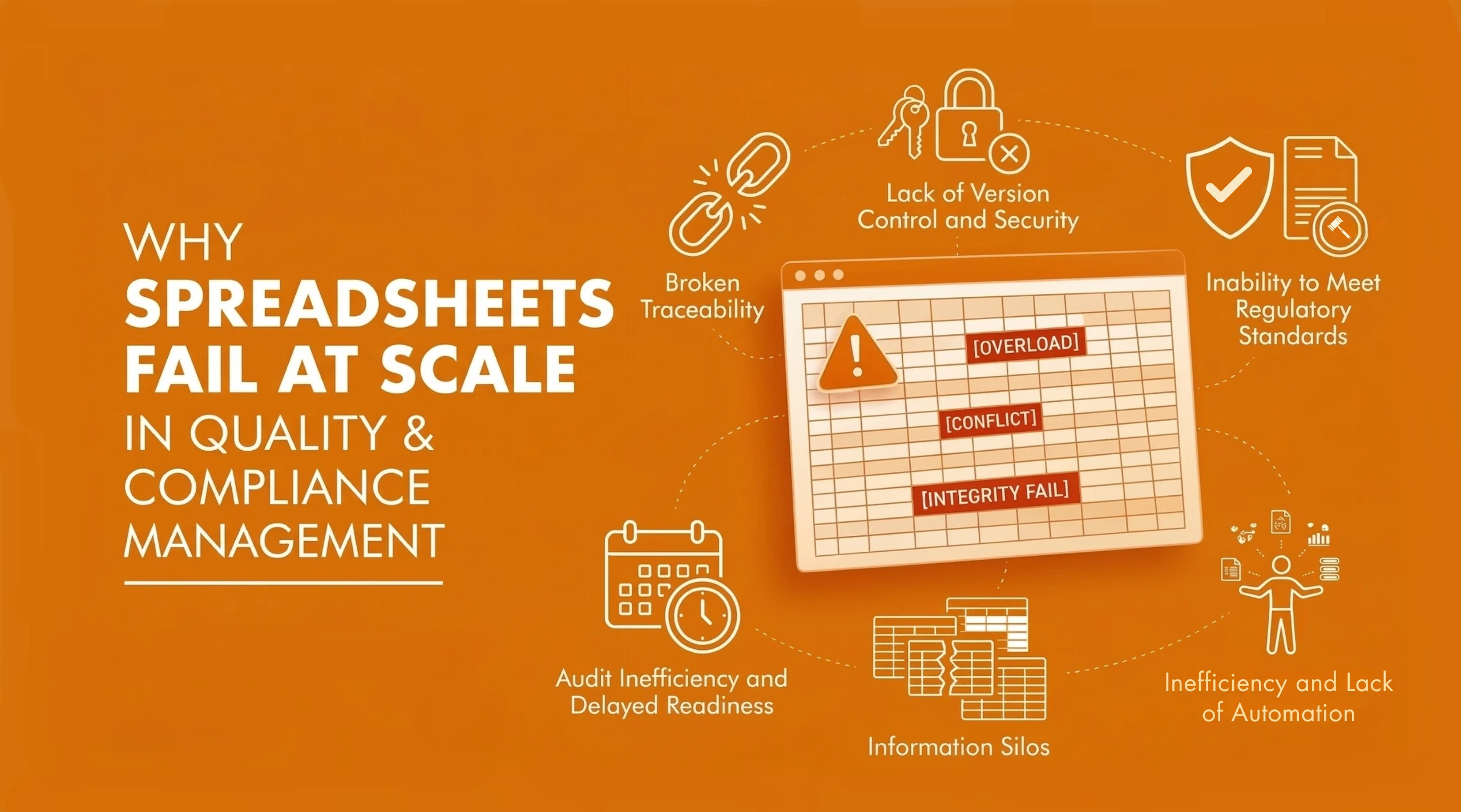
Many organizations still rely on emails, spreadsheets and paper forms to record customer complaints. While these methods may work when complaint volumes are low, they become increasingly difficult to manage as operations grow.
Manual tracking often leads to:
- Duplicate complaint records
- Missing customer information
- Delayed follow-ups
- Difficulty locating supporting documents
- Limited visibility into complaint status
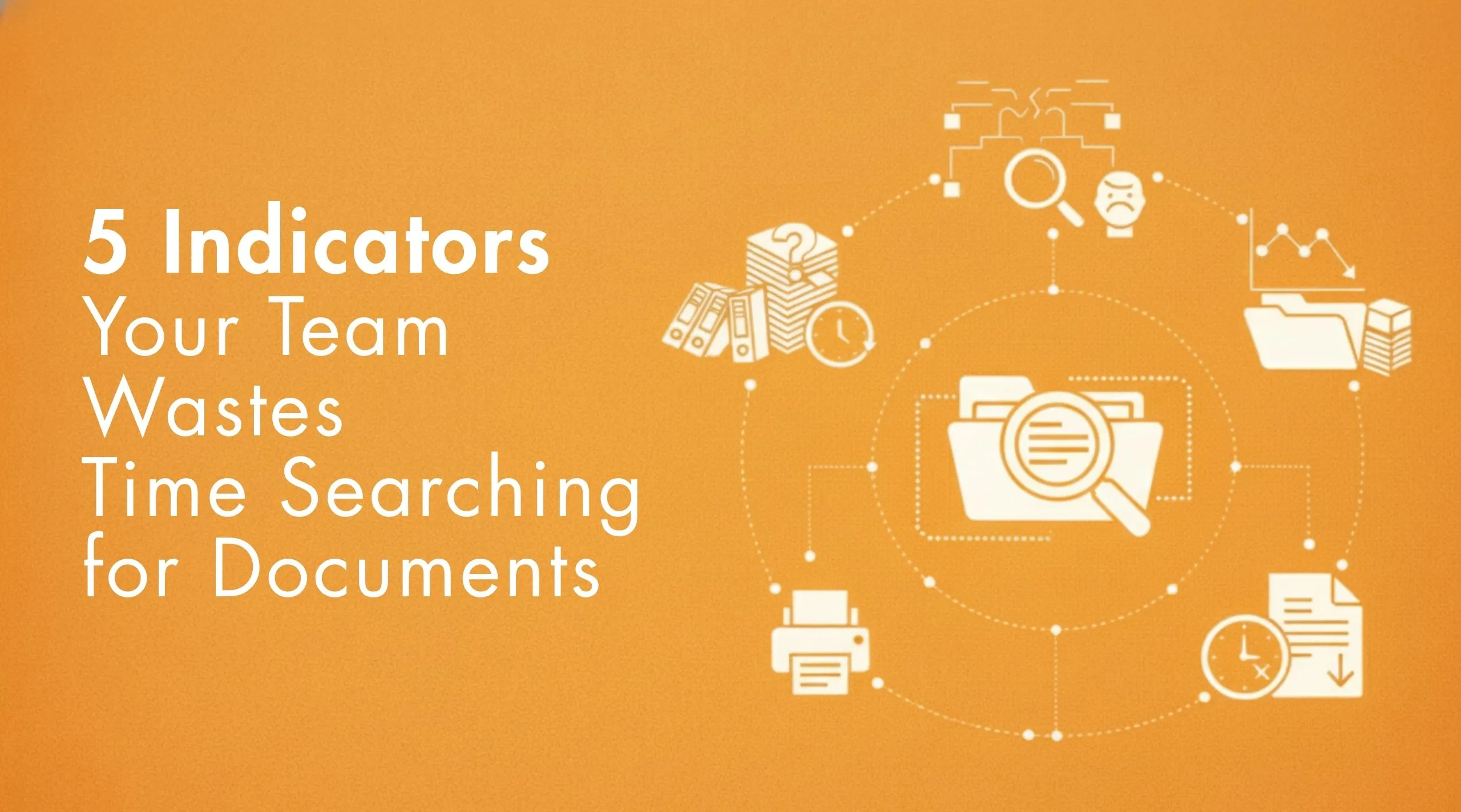
Since information is scattered across multiple files and inboxes, quality teams spend more time searching for data than resolving the actual issue.
2. Lack of a Standard Complaint Management Workflow
Without a standardized complaint management workflow, every department may handle complaints differently. For example, one complaint might be investigated immediately, while another waits for approvals or is unintentionally overlooked. This inconsistency creates delays, confusion, and uneven customer experiences.
A defined workflow ensures every complaint follows the same structured process from registration and investigation to corrective action and closure.
3. Poor Cross-Department Coordination
Resolving a customer complaint rarely involves only one department.
A quality issue may require input from production, quality assurance, procurement, logistics, engineering, sales or customer service. If communication between these teams is slow or fragmented, investigations take longer than necessary. Lack of collaboration often results in duplicated work, incomplete investigations, and delayed customer updates.
4. Missing Ownership and Accountability
One of the biggest reasons complaints remain unresolved is the absence of clear ownership. When responsibilities are unclear, team members may assume someone else is handling the investigation. As a result, complaints remain open, deadlines are missed, and customers receive little or no communication.
Assigning complaint owners, approval stages, and escalation rules helps organizations maintain accountability throughout the complaint lifecycle.
5. Inadequate Data for Investigation and Trend Analysis
Customer complaints contain valuable information that can reveal recurring quality issues, supplier problems, process weaknesses or product design concerns.
However, organizations using manual systems often struggle to analyse complaint trends because information is incomplete, inconsistent or stored across multiple locations. Without meaningful data, quality teams focus only on resolving individual complaints instead of identifying systemic improvements that prevent future issues.
How to Manage a Customer Complaint Effectively
Responding quickly is important, but speed alone is not enough. A successful customer complaint management process should resolve the immediate issue while identifying and eliminating the root cause.
The following seven-step approach helps manufacturers manage complaints consistently and improve overall product quality.
Step 1: Capture the Complaint Immediately
Every complaint should be recorded as soon as it is received, regardless of whether it arrives by email, phone call, customer portal, sales representative or service engineer.
Essential information should include:
- Customer details
- Product information
- Batch or lot number
- Description of the issue
- Supporting documents
- Date and time of complaint
Capturing complete information at the beginning reduces delays during the investigation stage.
Step 2: Categorize and Prioritize the Complaint
Not all complaints require the same level of urgency.
Organizations should classify complaints based on factors such as:
- Product safety
- Regulatory impact
- Customer severity
- Production impact
- Business risk
- Contractual commitments
High-risk complaints should trigger immediate escalation to the appropriate teams, while lower-risk issues can follow the standard investigation process. A structured prioritization process helps organizations allocate resources efficiently without overlooking critical issues.
Step 3: Assign Responsibility
Once the complaint is logged, ownership should be assigned immediately.
The responsible individual or department should:
- Review the complaint
- Coordinate the investigation
- Collect supporting evidence
- Communicate with stakeholders
- Monitor progress until closure
Clear ownership eliminates confusion and ensures accountability throughout the investigation.
Step 4: Investigate the Root Cause
The objective of an investigation is not simply to identify what happened, but to understand why it happened.
Quality teams may use established problem-solving techniques such as:
- 5 Why Analysis: Identifies the root cause by repeatedly asking “why.”
- Fishbone (Ishikawa) Diagram: Organizes multiple possible causes of a problem.
- Fault Tree Analysis: Best for analysing complex failures and their causes.
- Process Mapping Visualizes workflows to identify process gaps and bottlenecks.
- Pareto Analysis: Prioritizes the most frequent or high-impact complaint causes.
Investigations should involve all relevant departments and be supported by production records, inspection reports, testing data, calibration records, supplier information and customer feedback.
A thorough root cause analysis reduces the likelihood of recurring complaints and strengthens overall quality performance.
Step 5: Implement Corrective Actions
Once the root cause has been confirmed, corrective actions should be implemented promptly.
Examples include:
- Updating manufacturing procedures
- Revising inspection plans
- Retraining employees
- Replacing defective materials
- Modifying production parameters
- Improving supplier controls
- Updating product documentation
Corrective actions should address the underlying issue rather than providing only a temporary fix.
Step 6: Communicate the Resolution to the Customer
One of the most overlooked aspects of complaint management is customer communication. Customers appreciate transparency, even when investigations require additional time.
Organizations should keep customers informed by:
- Acknowledging receipt of the complaint
- Sharing investigation progress
- Explaining the identified root cause
- Describing corrective actions taken
- Confirming resolution timelines
Consistent communication demonstrates professionalism and reinforces customer confidence in the organization’s commitment to quality.
Step 7: Monitor for Recurrence
Closing a complaint should not mark the end of the process. Quality teams should continue monitoring complaint trends to verify whether corrective actions have been effective.
Questions to consider include:
- Has the same complaint occurred again?
- Did corrective actions eliminate the root cause?
- Are additional preventive measures required?
- Have similar products shown the same issue?
Continuous monitoring transforms complaint handling into a valuable source of process improvement.
Quick Answer
To manage a customer complaint effectively, manufacturers should record the complaint immediately, prioritize it based on risk, assign ownership, investigate the root cause, implement corrective actions, communicate with the customer throughout the process and monitor results to prevent recurrence.
Why Manufacturers Are Moving Toward Digital Complaint Management Systems
As manufacturing operations grow, managing customer complaints through spreadsheets and emails becomes inefficient. Delayed responses, scattered records and poor visibility can slow investigations and impact customer satisfaction. A digital complaint management system helps manufacturers automate the complaint lifecycle, improve collaboration and ensure every complaint is handled consistently.
Key benefits include:
- Faster Complaint Logging: Capture and track complaints from a centralized platform.
- Automated Notifications & Escalations: Assign tasks, send reminders and escalate overdue complaints automatically.
- Centralized Records: Maintain complaint details, investigation reports, CAPA, customer communication and supporting documents in one place.
- Better Cross-Department Collaboration: Enable production, quality, engineering and customer service teams to work with real-time information.
- Performance Dashboards: Monitor response time, resolution time, recurring complaints and corrective action effectiveness.
Key Features to Look for in Complaint Management System Software
Choosing the right complaint management system software can improve response times, simplify investigations and strengthen your quality processes. Look for a solution that offers:
- Complaint Lifecycle Tracking: Track complaints from registration to closure.
- Workflow Automation: Automate assignments, approvals, reminders and escalations.
- CAPA Integration: Link complaints with corrective and preventive actions.
- Document Management: Store investigation records and supporting evidence in one place.
- Dashboards & Reporting: Monitor complaint trends, response times and performance metrics.
- Audit-Ready Records: Maintain complete traceability for audits and compliance.
- QMS Integration: Connect complaint management with audits, non conformance, document control and other quality processes.
How Pyraman Complaint Management System Helps Manufacturers Respond Faster
Pyraman Complaint Management System is designed to help manufacturers digitize and standardize their complaint handling process from initial complaint registration to final closure.
1. Centralized Complaint Tracking
Pyraman stores every complaint in a centralized digital repository, allowing quality teams to access complaint history, supporting documents, investigation records, approvals and customer communications from a single platform.
This eliminates scattered spreadsheets and disconnected email conversations while improving visibility across the organization.
2. Automated Workflow and Escalations
The system automates task assignments, notifications, reminders, approvals and escalations to ensure complaints move through a consistent workflow without unnecessary delays.
This improves accountability and helps organizations achieve faster response and resolution times.
3. Integrated CAPA and Quality Processes
Customer complaints rarely exist in isolation. Pyraman integrates complaint management with CAPA, non conformance management, audit management, document control and other quality processes.
This connected approach ensures every complaint contributes to meaningful quality improvements rather than becoming an isolated incident.
4. Real-Time Reporting and Complaint Analytics
Interactive dashboards provide real-time visibility into complaint performance, enabling quality teams to monitor open complaints, overdue investigations, resolution timelines, complaint categories, root cause trends, department performance and the status of corrective actions from a single dashboard.
With these insights, management can identify quality risks earlier, track performance more effectively and make informed decisions that support continuous improvement.
5. Audit-Ready Documentation and Compliance Support
Every complaint is supported by complete digital records, including investigation history, approvals, corrective actions, customer communication and supporting evidence.
This simplifies audit preparation and helps organizations demonstrate compliance with quality management requirements while maintaining full traceability.
Improve Customer Complaint Management with Pyraman
Pyraman’s Complaint Management System helps manufacturers digitize complaint handling, automate workflows, improve cross-department collaboration, integrate complaints with CAPA and other quality processes and gain complete visibility into complaint performance.
Digitize your customer complaint management process with Pyraman’s integrated eQMS platform. Book a FREE DEMO to streamline complaint resolution and improve quality performance.
Frequently Asked Questions (FAQs)
1. What features should I look for in complaint management software?
Look for features such as complaint tracking, automated workflows, CAPA integration, document management, audit trails, dashboards, reporting, role-based approvals and real-time notifications.
2. What are the benefits of using complaint management software instead of spreadsheets?
Complaint management software centralizes complaint records, automates workflows, improves team collaboration, provides complete traceability and offers real-time dashboards for monitoring complaint trends and response times.
3. When should a manufacturing company switch to a digital complaint management system?
If your organization manages complaints through emails or spreadsheets, struggles with delayed responses, experiences recurring quality issues or finds it difficult to track investigations, it’s the right time to move to a digital complaint management system.
4. Is complaint management software suitable for small and medium-sized manufacturers?
Yes. Businesses of all sizes can benefit from complaint management software by improving efficiency, reducing manual work and ensuring consistent complaint handling as they grow.
5. Can complaint management software help reduce recurring customer complaints?
Yes. By identifying root causes, tracking corrective actions and analysing complaint trends, the software helps prevent the same quality issues from occurring repeatedly.
6. Is cloud-based complaint management software better than spreadsheets?
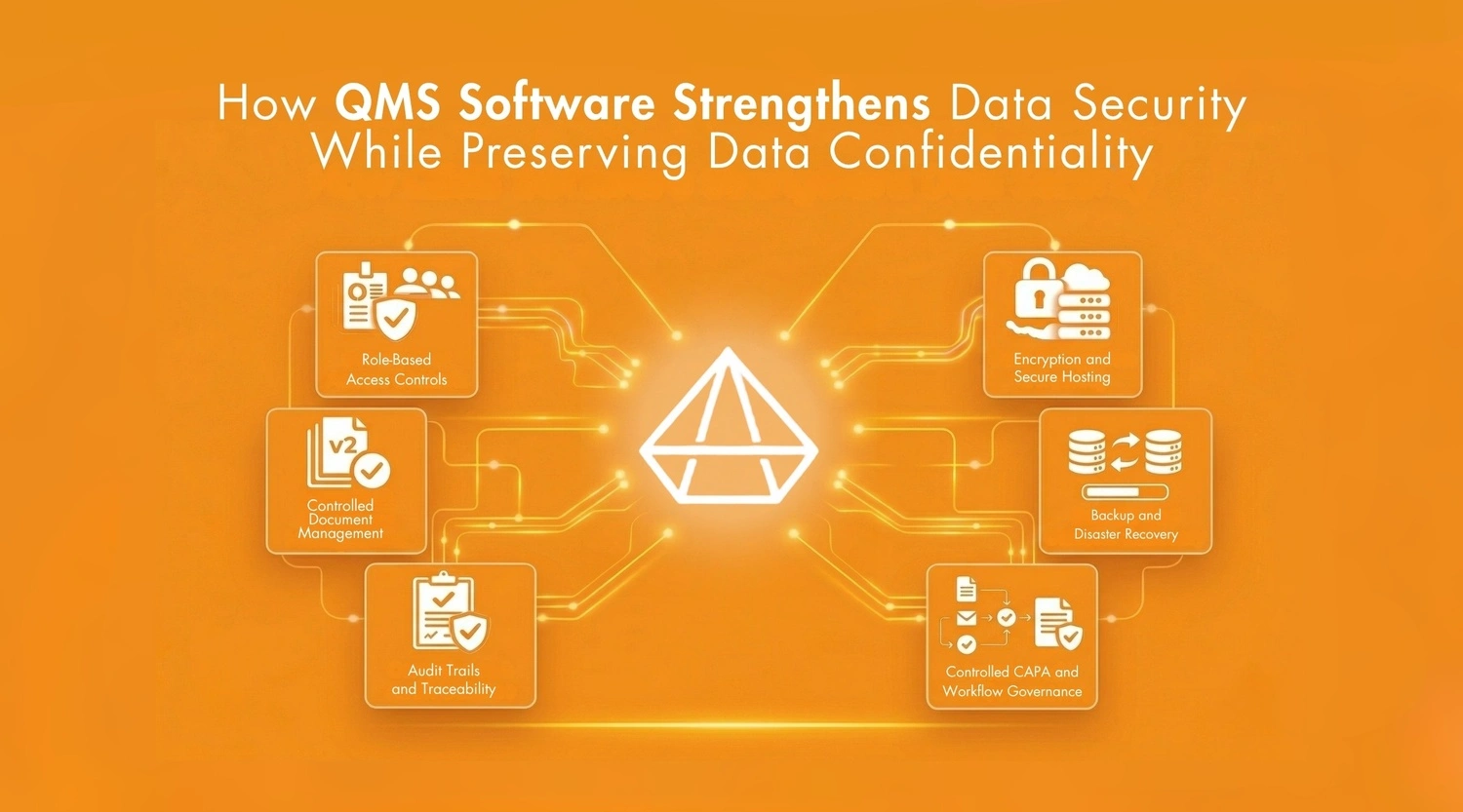
Yes. Cloud-based systems provide centralized access, real-time collaboration, automated workflows, stronger data security and complete traceability advantages that spreadsheets cannot offer.

Start Your Free 30-Day eQMS Trial
Get full access to Pyraman eQMS for 30 days, free. No commitment, just hands-on document control, audits, and compliance management.
