
eQMS Software for Aerospace Industry: Improving Quality, Traceability and Documentation
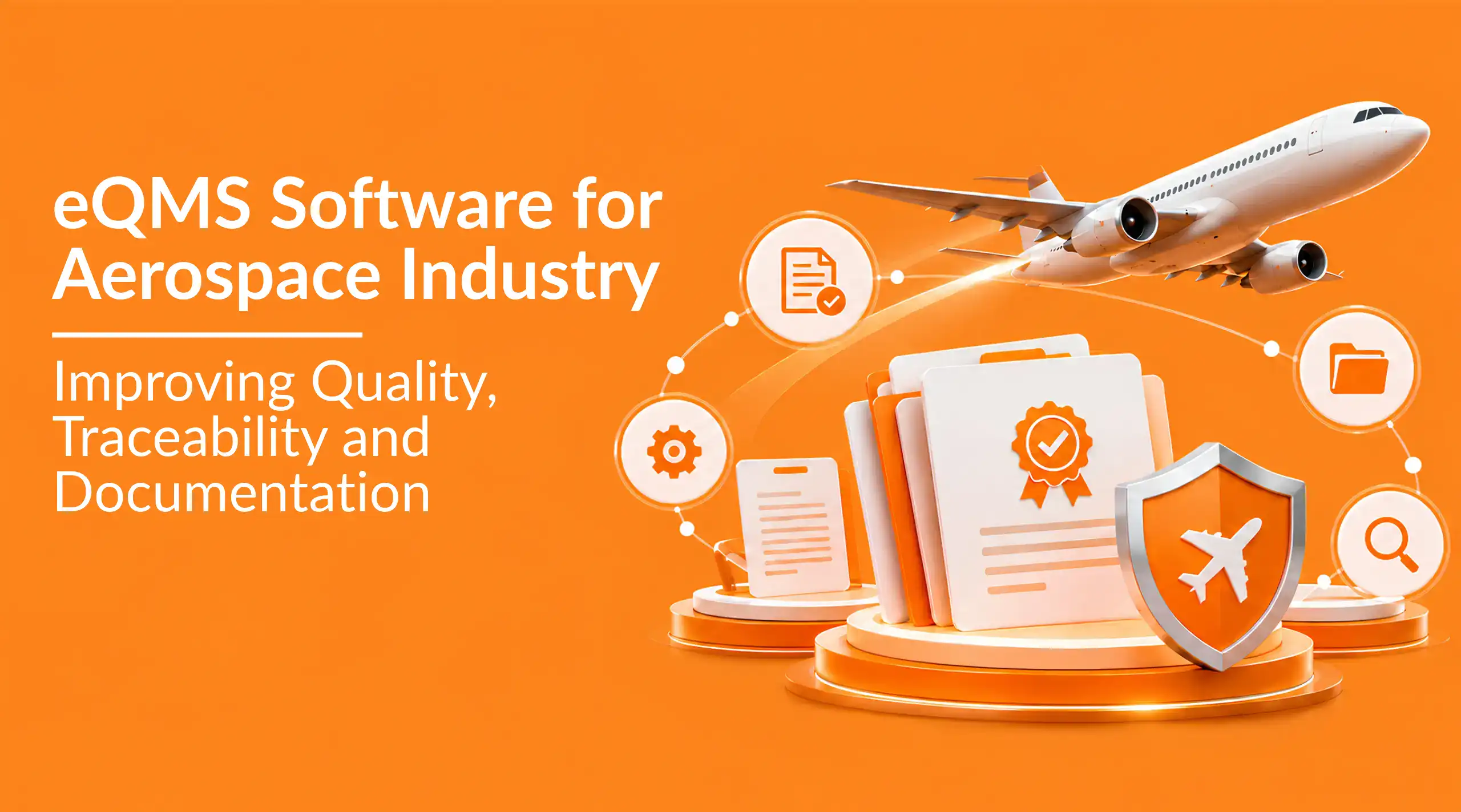
Aerospace manufacturing requires more than producing components that meet specifications. Manufacturers must also maintain controlled documentation, demonstrate traceability, manage quality records and provide evidence that established processes are followed. When these activities rely on disconnected spreadsheets, shared folders and manual follow-ups, keeping information consistent across production and quality teams becomes increasingly difficult.
eQMS helps organizations digitize and organize essential quality processes, including document control, record management, internal audits, non-conformance tracking and employee training. Instead of searching across multiple locations for the latest procedure or an audit record, teams can manage quality-related information through more structured digital workflows.
For aerospace manufacturers, this can support better visibility over quality activities, more consistent documentation practices and easier access to records during audits. However, an eQMS is not a substitute for technical controls, product inspections or an effective quality management system. Its value lies in helping organizations manage the processes and documented evidence that support product quality.
Why Aerospace Manufacturers Need Stronger Quality Management
Aerospace manufacturers work with detailed specifications, controlled processes and quality records that may need to remain accessible throughout production and subsequent reviews. Managing this information consistently becomes more challenging when multiple teams handle document revisions, inspections, employee training and nonconformance records.
1. Managing complex quality documentation
Production procedures, work instructions, inspection criteria and quality policies must remain controlled and accessible to the people who need them. If employees rely on outdated copies or cannot easily locate approved documents, the risk of inconsistent execution increases.
Document control helps establish which version is approved, how revisions are managed and where employees can access the relevant information. A structured digital process can make document retrieval easier while supporting consistent handling of changes.
2. Maintaining traceability across quality records
Traceability depends on being able to locate and connect relevant information about a quality activity, decision or issue. Aerospace manufacturers may need to retrieve supporting records during an internal audit, investigate a nonconformance or demonstrate that a defined process was followed.
When information is scattered across spreadsheets, email threads and shared folders, connecting related records can take additional effort. Centralized record management helps teams organize quality information and retrieve relevant evidence more efficiently. The actual scope of traceability still depends on the manufacturer’s processes, record requirements and technical systems.
3. Controlling document revisions and process changes
A change to a work instruction or inspection procedure must be communicated and implemented appropriately. Updating a document alone does not establish that the relevant employees are using the revised version or understand the change.
A controlled revision process helps teams manage document updates and maintain associated records. Where a change affects employee responsibilities, the organization may also need to review training requirements and verify that the updated process is being followed.
4. Preparing for audits and managing non-conformances
Audits evaluate whether established processes are implemented and whether relevant requirements are being met. Preparing for an audit can become difficult when evidence is incomplete, records are hard to retrieve or previous findings lack clear follow-up.
Nonconformances present a related challenge. Teams need to record issues, assign responsibility, document investigation and track appropriate actions. A structured quality process helps maintain visibility over the issue and its status rather than relying entirely on informal reminders.
How eQMS Software Improves Aerospace Quality Management
An eQMS supports quality management by bringing selected documentation, records and workflows into a structured digital environment. Its value depends on how well the system supports the organization’s actual processes and how consistently employees use it.
1. Document control and revision management
A Document Management System helps organizations manage controlled documents, revisions and access to approved information. For aerospace manufacturers, this can support the handling of work instructions, procedures, quality policies and other controlled documents.
When a document changes, teams need a reliable way to manage the revision and make the applicable version available. Maintaining organized document histories and approval records also helps demonstrate how documented information is controlled.
2. Centralized quality records and traceability
A Record Management System helps teams organize, store and retrieve quality-related records. Instead of searching through disconnected folders, employees can use a structured repository to locate relevant information.
This can support activities such as retrieving records for an audit, reviewing evidence related to a quality issue or checking documentation associated with a completed process. Centralized records improve accessibility, but they do not automatically establish end-to-end product traceability. That depends on the information captured and the links maintained between records.
3. Audit planning, findings and follow-up
An Audit Management System helps organizations organize audit activities, maintain audit-related information and document findings. Quality teams can use a defined process to record observations, identify issues and track follow-up activities.
For aerospace manufacturers, organized audit records can make it easier to review previous findings and determine whether the required actions have been addressed. Software supports the process, while effective audits still depend on appropriate scope, competent auditors and meaningful evaluation.
4. Non-conformance tracking and corrective follow-up
Nonconformances can arise when a product, process or documented activity does not meet a specified requirement. Managing these issues requires more than recording a defect. The organization may need to investigate the cause, determine appropriate action, assign responsibility and evaluate whether the issue has been adequately addressed.
An NC Management System helps teams document nonconformances and track follow-up activities through defined workflows. This creates a clearer record of the issue and its status, helping quality personnel maintain visibility over outstanding actions.
5. Employee training and documented competence
When procedures change, relevant employees may need updated training or communication before the revised process is implemented. Without organized training records, it can be difficult to establish who has completed the required activity.
A Training Management System helps organizations track training activities and maintain associated records. Combined with document control, this supports a more consistent approach to communicating procedural changes and monitoring training completion. Decisions about competence and authorization must still be made according to the organization’s requirements.
The Role of eQMS in Supporting AS9100 Quality Processes
AS9100 is a quality management system standard for organizations in the aviation, space and defence sectors. It builds on ISO 9001 with additional requirements relevant to aerospace operations. Organizations must establish and maintain processes appropriate to their activities and the applicable requirements.
An eQMS can support the day-to-day operation of an AS9100-based system by helping teams control documented information, organize records, manage audits, track nonconformances and maintain training information.
For example, when an internal audit identifies that an employee is using an outdated procedure, the organization may need to document the finding, investigate why the revision was not implemented, assign follow-up actions and retain evidence of the response. An eQMS can help organize these activities and make their status easier to track.
However, eQMS software does not automatically make an organization AS9100-compliant or guarantee certification. The organization remains responsible for determining applicable requirements, implementing effective processes, maintaining appropriate evidence and evaluating whether those processes work as intended.
The most useful system is one that supports the organization’s established quality procedures instead of simply storing documents without a clear process for managing them.
How Traceability and Documentation Work Together
Traceability and documentation are closely connected. Traceability helps organizations follow relevant information across activities and records, while documentation provides evidence of what was defined, approved, performed or reviewed. Consider an aerospace manufacturer that revises a production work instruction after identifying a recurring process issue.
The organization first needs to control and approve the revised instruction. Relevant employees may need to be informed or trained, depending on the change. If an audit later identifies that the previous version is still being used, the quality team needs to record the finding, investigate the implementation gap and document the follow-up actions.
A structured digital quality process can help the team retrieve the applicable document, locate relevant training or audit records and review the status of the issue. This makes it easier to understand what happened and what action was taken. The same principle applies when preparing for an audit or reviewing a recurring nonconformance. Records are more useful when they can be retrieved and interpreted in context rather than treated as isolated files.
An eQMS can support this approach by organizing documentation and quality activities within defined workflows. The extent of traceability achieved depends on the organization’s processes, the records it maintains and how relevant information is connected.
Manual Quality Management vs eQMS Software in Aerospace
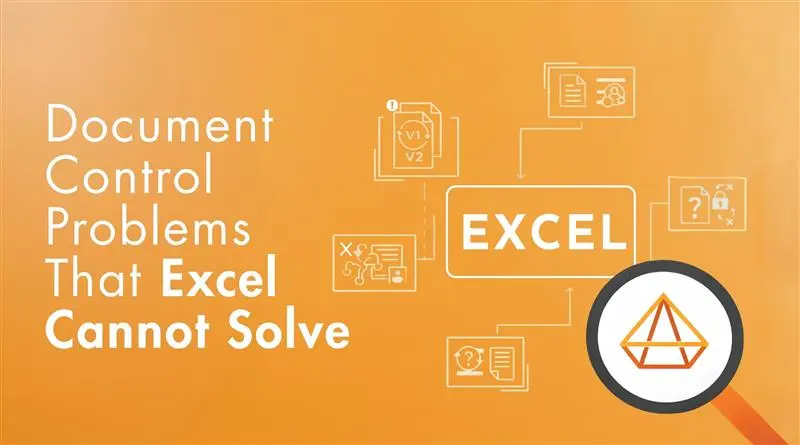
Manual quality management can work for organizations with limited documentation and straightforward processes. However, as the volume of controlled documents, quality records, audits and follow-up activities grows, maintaining consistency through spreadsheets and separate folders can become more demanding.
| Quality activity | Manual approach | eQMS-supported approach |
|---|---|---|
| Document control | Employees may need to search shared folders or confirm which revision is current. | Controlled documents and revisions can be managed in a structured digital environment. |
| Record retrieval | Information may be spread across folders, files and email threads. | Centralized records can make relevant information easier to locate. |
| Audit preparation | Teams may need to collect evidence manually from multiple sources. | Organized audit information and quality records can support evidence retrieval. |
| Nonconformance follow-up | Status updates and reminders may depend on spreadsheets or email. | Defined workflows can help document responsibilities and track action status. |
| Training records | Completion information may be maintained in separate files. | Training activities and associated records can be managed systematically. |
An eQMS does not eliminate the need for accurate data, employee review or management oversight. Its value lies in providing a more consistent way to manage quality information and follow-up activities as operations become more complex.
What to Consider When Choosing Aerospace eQMS Software
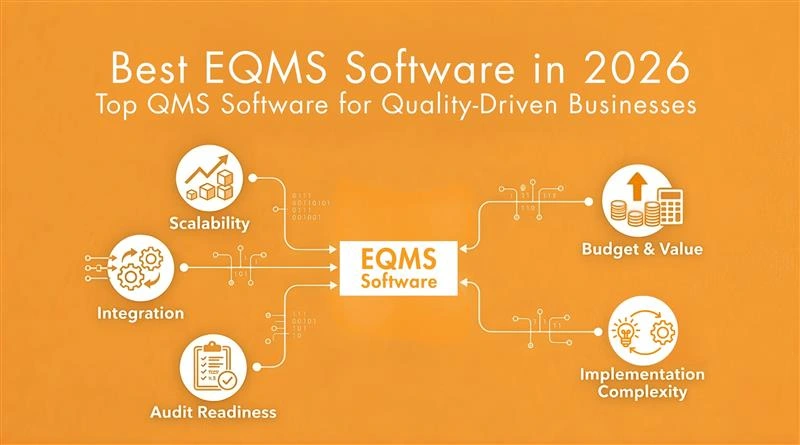
Selecting an eQMS requires more than comparing feature lists. Aerospace manufacturers should evaluate whether the software supports their actual quality processes, documentation needs and applicable obligations.
- Document and revision control: Check whether the system supports controlled documents, revision management and access to approved information.
- Record management: Evaluate how quality records are organized, retrieved and maintained.
- Audit management: Look for support for organizing audits, documenting findings and tracking follow-up activities.
- Nonconformance management: Assess whether teams can record issues, assign responsibility and maintain visibility over actions.
- Training records: Determine whether the system supports training tracking and documentation associated with procedural changes.
- Workflow suitability: Confirm that the software can support the organization’s defined processes without forcing teams into unsuitable workflows.
- Usability and adoption: Consider whether employees can access and maintain the information they need without creating additional administrative burden.
- Requirements and validation: Review the vendor’s documentation, security arrangements and suitability for the organization’s regulatory, contractual and information-management obligations.
The right choice depends on the organization’s size, process complexity, customer requirements and existing quality management practices. Manufacturers should verify the software’s actual capabilities rather than assume every eQMS provides specialized aerospace functions, product genealogy or technical inspection integration.
How Pyraman Supports Aerospace Quality Management
Pyraman’s eQMS helps aerospace organizations manage essential quality processes through dedicated modules for Document Management, Record Management, Audit Management, NC Management, Complaint Management and Training Management. These modules support the control of quality documentation, maintenance of records, organization of audits, tracking of nonconformances and management of training activities.
For aerospace quality teams, these capabilities provide a structured way to manage documentation and quality-related activities without depending entirely on disconnected spreadsheets and manual follow-ups. Document and record management support information retrieval, while audit and NC Management help teams document findings and track follow-up activities. Training Management helps maintain records of employee training.
Pyraman’s role is to support the organization’s quality management processes by bringing relevant information and workflows into a digital environment. Aerospace manufacturers must still define their requirements, implement appropriate technical and operational controls and verify that their processes meet applicable standards and customer expectations.
To explore how Pyraman can support your quality management processes, visit our Quality Management System page or book a free personalized eQMS demo.
FAQs
1. What is eQMS software for the aerospace industry?
eQMS software for the aerospace industry is a digital system that supports quality-related processes such as document control, record management, audit management, nonconformance tracking and employee training. It helps aerospace organizations organize quality information and manage documented processes more consistently.
2. How does eQMS software improve aerospace traceability?
An eQMS can improve access to quality records, document revisions, audit findings and follow-up activities. This helps teams retrieve relevant information when investigating an issue or preparing for an audit. The extent of traceability depends on the records captured and how the organization’s processes connect them.
3. Can eQMS software support AS9100 compliance?
Yes. An eQMS can support processes relevant to an AS9100-based quality management system, including document control, record management, audits, nonconformance tracking and training records. However, software alone does not ensure compliance or guarantee certification. Organizations remain responsible for implementing and maintaining effective processes that meet applicable requirements.
4. How does document control help aerospace manufacturers prepare for audits?
Document control helps organizations manage approved procedures, work instructions and revisions. When documents are organized and controlled, teams can more easily retrieve relevant information and demonstrate how documented processes are maintained. Audit readiness also depends on having appropriate records and evidence that processes are implemented effectively.
5. What features should aerospace manufacturers look for in eQMS software?
Aerospace manufacturers should evaluate document and revision control, centralized record management, audit workflows, nonconformance tracking, training records and overall workflow suitability. They should also verify the software’s security, documentation and suitability for their specific quality, contractual and regulatory requirements.

Start Your Free 30-Day eQMS Trial
Get full access to Pyraman eQMS for 30 days, free. No commitment, just hands-on document control, audits, and compliance management.
