
How Audit Management Software Simplifies Internal and External Audits
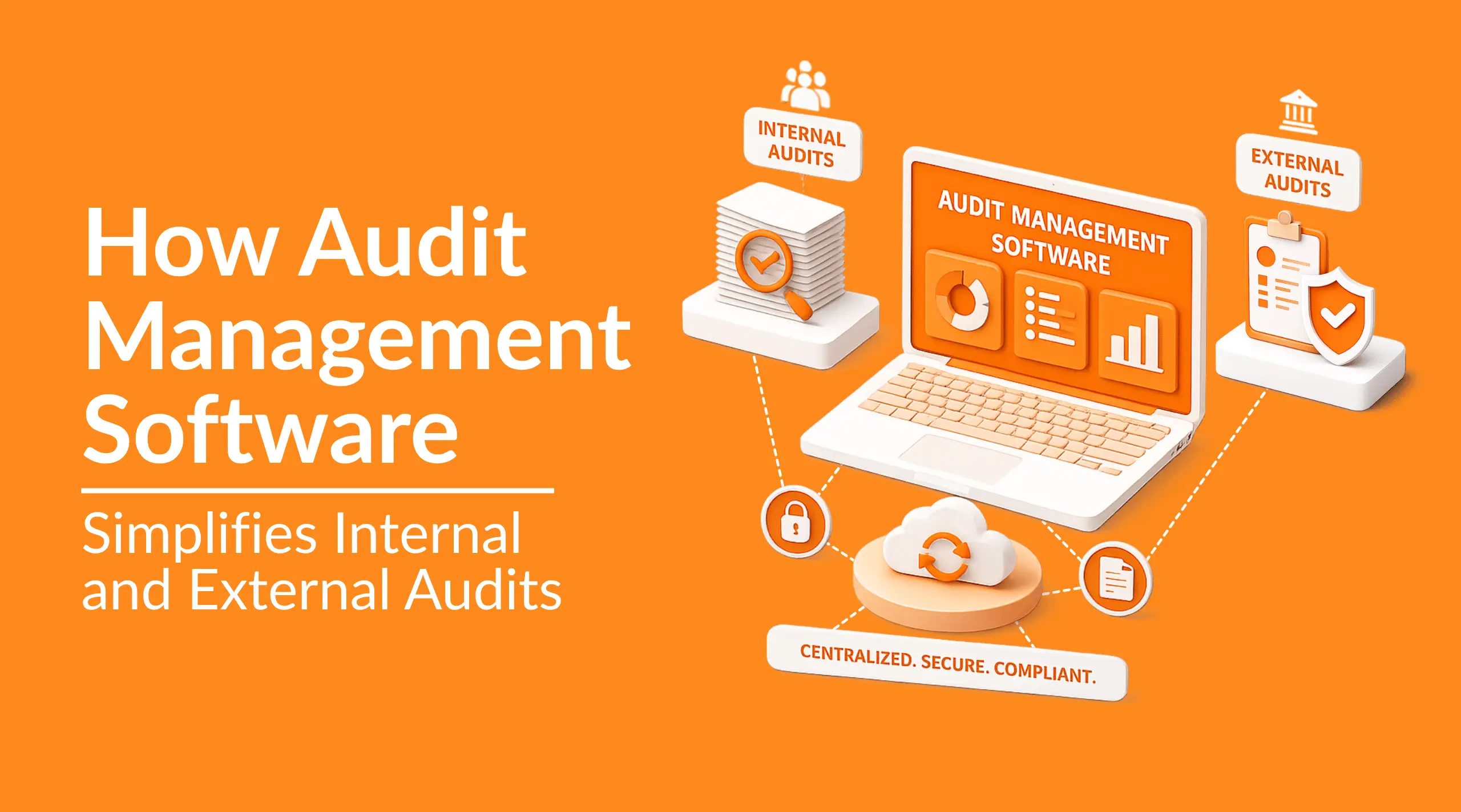
Audits are more than a compliance requirement they are an opportunity to evaluate processes, identify gaps and drive continual improvement. Whether it’s an internal audit to assess process effectiveness or an external audit for ISO certification, customer requirements or regulatory compliance, a well-managed audit process helps organizations strengthen their Quality Management System (QMS) and make informed business decisions.
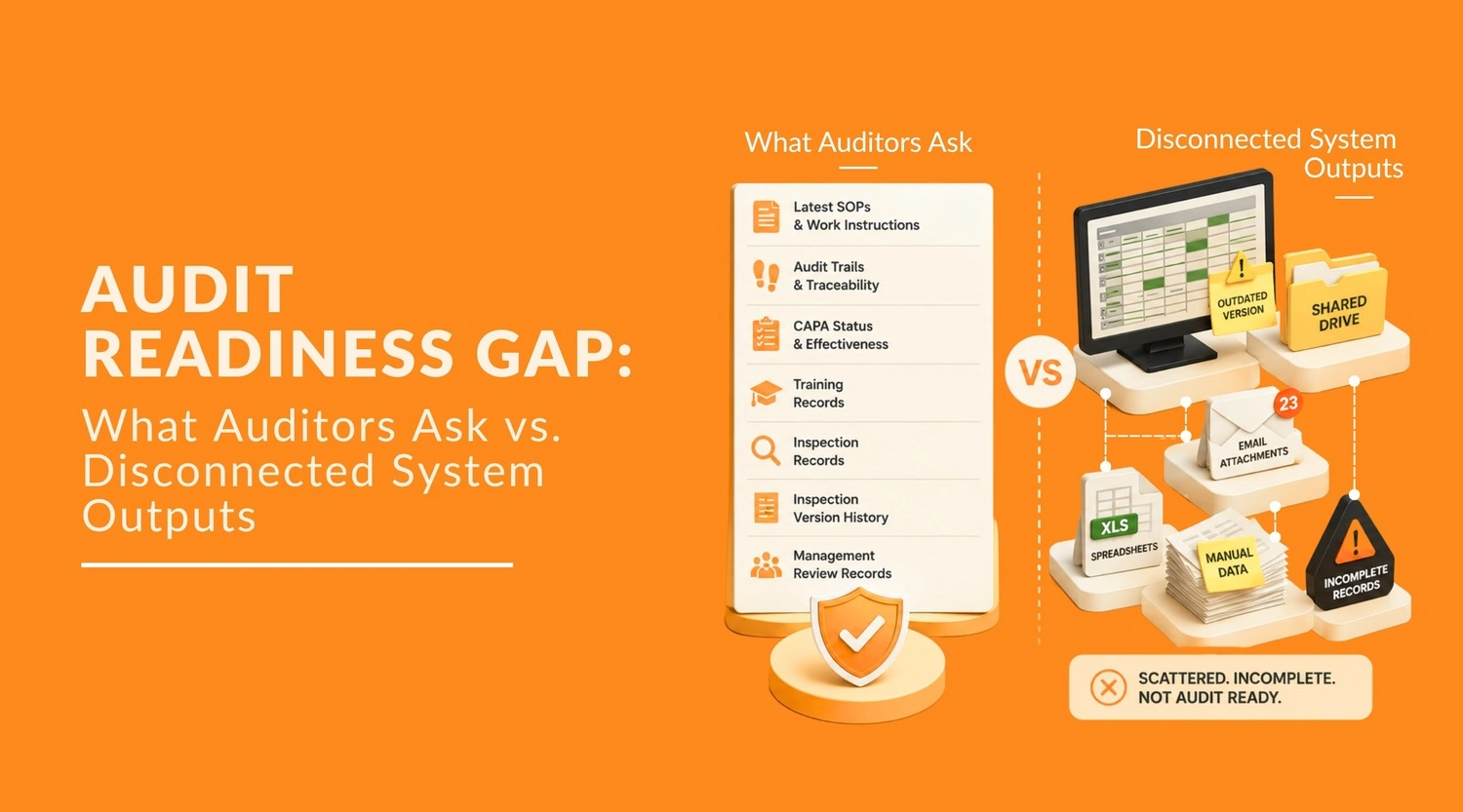
Yet, for many organizations, managing audits remains a manual and fragmented process. Audit schedules are maintained in spreadsheets, findings are documented across multiple files, supporting evidence is scattered between folders and follow-ups rely on emails or manual reminders. As audit frequency increases, these disconnected processes consume valuable time, reduce visibility and make it difficult to stay consistently audit-ready.
This growing complexity is encouraging organizations to move towards digital audit management. Instead of relying on multiple tools, a centralized audit management system brings planning, execution, reporting and follow-up together r in one place.
In this blog, we’ll explore why traditional audit management methods often create unnecessary challenges, the key capabilities organizations should look for in a modern audit solution and how an integrated Audit Management System supports compliance while making audits more structured, transparent and efficient.
Why Manual Audit Management Creates More Challenges Than Value
Many organizations begin managing audits with familiar tools such as spreadsheets, emails and paper-based checklists. While these methods may seem practical initially, they become increasingly difficult to manage as audit requirements grow, multiple departments become involved and organizations work to maintain compliance with ISO standards and customer expectations.
Without a centralized system, every stage of the audit process requires manual coordination. Planning audits, maintaining records, tracking findings, monitoring corrective actions and preparing reports often involve multiple files and repeated follow-ups. This not only increases administrative effort but also creates information gaps that can affect audit quality and decision-making.
Some of the most common challenges include:
1. Inefficient Audit Planning
Coordinating audit schedules, departments and timelines manually often leads to missed deadlines, scheduling conflicts and unnecessary administrative work, making it difficult to execute audits consistently.
2. Lack of Process Standardization
Different auditors frequently use different templates, checklists and reporting methods. Without standardized workflows, maintaining consistency across internal and external audits becomes challenging.
3. Poor Visibility into Audit Findings
When audit findings, observations and follow-up actions are scattered across emails and spreadsheets, it becomes difficult to monitor progress, identify recurring issues and ensure timely closure of non-conformities.
4. Time-Consuming Audit Preparation
Preparing for certification, surveillance or customer audits often involves searching through multiple folders to collect documents, previous reports and supporting records. This manual effort delays preparation and increases pressure on quality teams.
5. Reactive Rather Than Proactive Compliance
Without real-time visibility into audit activities, organizations often respond to issues only when an audit is approaching. This reactive approach makes it harder to maintain continuous compliance and drive continual improvement.
As organizations grow, these challenges become more significant. A connected quality audit management software helps replace disconnected manual activities with standardized digital workflows, making audits easier to plan, execute, monitor and improve while supporting long-term compliance and operational excellence.
How Audit Management Software Simplifies Internal and External Audits
Managing audits isn’t just about completing checklists or preparing reports. It involves coordinating schedules, maintaining records, documenting findings, monitoring non-conformities and ensuring every action is completed on time. When these activities are managed manually, the audit process becomes difficult to control and even harder to improve.
A centralized Audit Management System brings these activities together through a structured digital workflow, helping organizations conduct audits more efficiently while improving visibility and compliance.
1. Simplifies Audit Planning and Scheduling
Effective audits begin with proper planning. Managing audit schedules manually often results in missed deadlines, overlapping activities and unnecessary follow-ups. A digital audit management system allows organizations to plan audits in advance, maintain a centralized audit calendar and keep audit activities organized throughout the year.
This structured approach helps quality teams stay prepared while ensuring audits are conducted according to plan.
2. Standardizes the Entire Audit Process
Consistency is essential for meaningful audits. When different auditors use different formats or documentation methods, comparing results and identifying improvement opportunities becomes difficult.
An Audit Management System standardizes the audit process by providing a structured approach to planning, conducting, documenting and reviewing audits. This helps organizations maintain consistency across internal and external audits while improving the quality of audit outcomes.
3. Enables Faster Follow-Up on Audit Findings
An audit creates value only when identified issues are resolved effectively. Delayed follow-ups often result in recurring non-conformities and unresolved compliance gaps.
By connecting audit findings with Non-Conformance (NC) and CAPA processes, organizations can monitor actions, track progress and ensure findings are addressed through a structured workflow. This improves accountability while supporting continual improvement across the organization.
More than a Free Trial.
Still Managing Audits Through Spreadsheets and Emails?
4. Improves Visibility Across the Audit Lifecycle
One of the biggest advantages of digital audit management is real-time visibility. Instead of relying on spreadsheets or manual status updates, organizations can monitor audit progress, pending actions and overall audit performance from a centralized dashboard.
Having this information readily available helps management identify delays, review progress and make informed decisions without waiting for manual reports.
5. Simplifies Reporting and Documentation
Preparing audit reports manually often requires consolidating information from multiple sources. This not only takes time but also increases the risk of incomplete or inconsistent documentation.
A centralized system maintains audit records, findings, supporting documents and reports in one place, making information easier to retrieve during customer, certification or surveillance audits. It also helps create a reliable audit trail that supports transparency and compliance.
6. Supports Continuous Audit Readiness
Organizations shouldn’t have to prepare for audits only when an audit date is approaching. A well-managed audit process creates a state of continuous readiness, where documents, records, findings and corrective actions are maintained throughout the year.
By replacing manual coordination with structured digital workflows, organizations can spend less time preparing for audits and more time improving their processes. This not only simplifies compliance but also strengthens the overall effectiveness of the Quality Management System.
Essential Features to Look for in Audit Management Software
Choosing the right audit management software is about more than replacing paper checklists or spreadsheets. The right solution should simplify the entire audit lifecycle, improve visibility and help organizations maintain compliance through standardized, connected processes.
Whether you’re implementing an Audit Management System for the first time or replacing a manual approach, here are some of the key capabilities to look for.
1. Centralized Audit Planning
Managing multiple audits becomes much easier when schedules, timelines and audit activities are organized from one place. A centralized audit calendar helps organizations plan audits in advance, monitor upcoming activities and ensure audits are conducted on time.
2. Structured Audit Execution
Consistency is essential for effective audits. A good system should provide standardized audit workflows that help teams conduct audits using a structured and repeatable process while maintaining complete documentation.
3. Digital Audit Records
Maintaining audit reports, findings and supporting documents in a centralized repository makes information easier to retrieve during surveillance, certification or customer audits. Digital records also improve traceability and reduce the effort required to maintain compliance.
4. Integrated NC & CAPA Management
An audit doesn’t end when findings are recorded. A modern Audit Management System should seamlessly connect audit findings with Non-Conformance (NC) and CAPA processes, ensuring issues are investigated, corrective actions are monitored and effectiveness is verified before closure.
5. Real-Time Reporting and Dashboards
Access to real-time audit information helps organizations monitor audit status, review pending actions and identify recurring issues more effectively. Interactive dashboards provide greater visibility into audit performance, enabling faster and more informed decision-making.
6. Automated Notifications and Reminders
Keeping audit activities on schedule requires timely communication. Automated reminders for upcoming audits and pending actions help reduce manual follow-ups while ensuring important activities aren’t overlooked.
Internal vs External Audits: How a Digital Audit System Supports Both
Although internal and external audits serve different purposes, they both require a structured approach, accurate documentation and timely follow-up. A centralized Audit Management System helps organizations manage both efficiently while maintaining consistency throughout the audit process.
| Internal Audits | External Audits |
|---|---|
| Evaluate process effectiveness | Verify compliance with ISO standards and customer requirements |
| Planned by the organization | Conducted by certification bodies or customers |
| Identify improvement opportunities | Assess compliance and management system effectiveness |
| Conducted throughout the year | Conducted at planned intervals |
| Supports continual improvement | Confirms organizational compliance |
By standardizing planning, documentation, reporting and follow-up, organizations can simplify both audit types while maintaining complete visibility across the audit lifecycle.
How Audit Management Software Improves Business Performance
The value of an Audit Management System extends far beyond simplifying audits. By digitizing and connecting audit activities, organizations can improve operational efficiency, strengthen compliance and create a more proactive approach to quality management. Instead of spending time coordinating spreadsheets, searching for records or manually tracking follow-ups, quality teams can focus on identifying improvement opportunities and driving better business outcomes.
Key Business Benefits
- Faster audit planning and preparation
- Improved audit readiness throughout the year
- Better visibility into audit activities and findings
- Faster closure of Non-Conformities (NC) and CAPA
- Reduced manual documentation and follow-ups
- Centralized audit records with complete traceability
- Stronger compliance with ISO management systems
- Supports continual improvement across the organization
Why Organizations Choose Pyraman
Pyraman’s Audit Management System, a core module of its cloud-based eQMS, helps organizations digitize and streamline the complete audit process through a centralized platform.
From planning audits and maintaining audit records to recording findings and monitoring Non-Conformances (NC), Pyraman provides better visibility and control over audit activities while supporting continual compliance. Integrated with Document Management, Record Management and NC Management, it helps organizations standardize audit workflows, reduce manual effort and stay audit-ready throughout the year.
If your team is still managing audits through spreadsheets, emails and disconnected files, now is the right time to modernize your audit process. Book a personalized demo of Pyraman’s Audit Management System and discover how you can simplify audits, improve compliance and stay continuously audit-ready.
Frequently Asked Questions (FAQs)
1. What is audit management software?
Audit management software is a digital solution that helps organizations plan, conduct, monitor and document audits through a centralized platform. It simplifies audit activities while improving visibility, consistency and compliance.
2. What are the benefits of audit management software?
It helps organizations simplify audit planning, standardize audit processes, maintain centralized records, improve audit visibility, reduce manual effort and strengthen compliance with management system standards.
3. Can audit management software help with ISO audits?
Yes. It supports ISO audits by organizing audit schedules, maintaining audit records, documenting findings and helping organizations prepare for internal, surveillance and certification audits more efficiently.
4. What’s the difference between internal and external audits?
Internal audits are conducted by the organization to evaluate process effectiveness and identify improvement opportunities. External audits are performed by certification bodies or customers to verify compliance with standards and contractual requirements.
5. Is audit management software suitable for all industries?
Yes. Organizations across manufacturing, automotive, pharmaceuticals, food, engineering, medical devices and other regulated industries use audit management software to improve compliance and streamline audit activities.
6. Is an Audit Management System part of an eQMS?
Yes. In many organizations, the Audit Management System is one module within an Electronic Quality Management System (eQMS), where it connects with documents, records, non-conformities, training and other quality processes.

More than Thoughts.
Start Your Free 30-Day eQMS Trial
Get full access to Pyraman eQMS for 30 days, free. No commitment, just hands-on document control, audits, and compliance management.
